We use cookies to provide you with a better experience. By continuing to browse the site you are agreeing to our use of cookies in accordance with our Cookie Policy.
In this month’s issue of Plumbing Engineer, we are spotlighting 13 young professionals in the plumbing, heating, cooling, and piping industry. Our fourth annual edition of “Millennials on the Move” has a new twist. This year we are including three individuals from the next generation: Gen Z.
Read on to discover what 13 young PHCP professionals think about the industry they serve, their work communities and colleagues, perceptions of work after COVID-19, and having mentors and being mentors. They also make suggestions for the industry to recruit and retain young people in the PHCP industry.
Many restaurants are looking to save money wherever they can; this includes installing energy-efficient water heating equipment. Read on to see Henderson Engineers’ process in determining the right design to satisfy the client.
Water quality is a continual challenge, even in the United States. Read on as LiquiTech CEO Tory Schira describes the threats to buildings’ water supplies — and a multibarrier approach to eliminate such threats.
ASPE is working on expanding licensing for plumbing engineers to increase the professionalism of the industry.
October 3, 2022
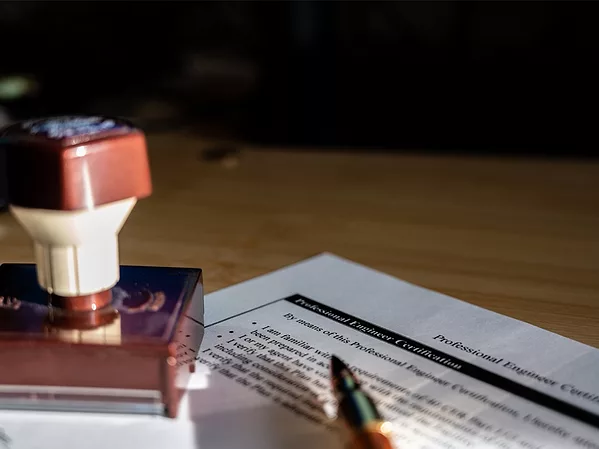
A Professional Engineer license is available for many building design disciplines except plumbing engineers. A working group of the American Society of Plumbing Engineers hopes to change that in the next year or two. When the plumbing depth option is finally available, it will mark one of the biggest developments the industry has seen in decades.
As Congress passes green energy legislation, the Seattle Kraken’s Climate Pledge Arena showcases many of the technologies that can be used to reduce carbon emissions and recycle as much as possible in a large sports arena.
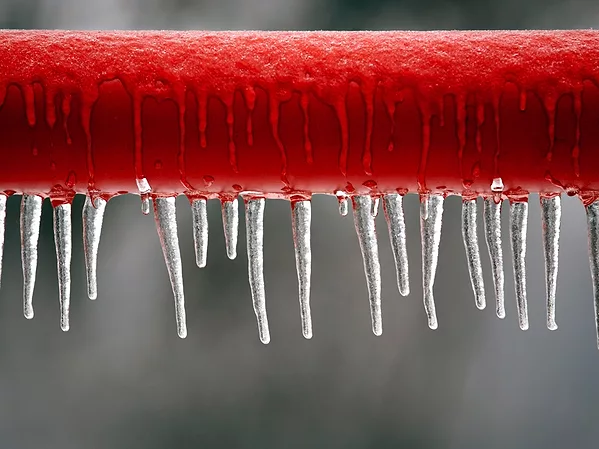
The NFPA’s 13, 13D and 13R standards spell out when fire sprinkler systems should include freeze protection. Read on to discover sources to determine an area’s minimum temperature and whether freeze protection is warranted.
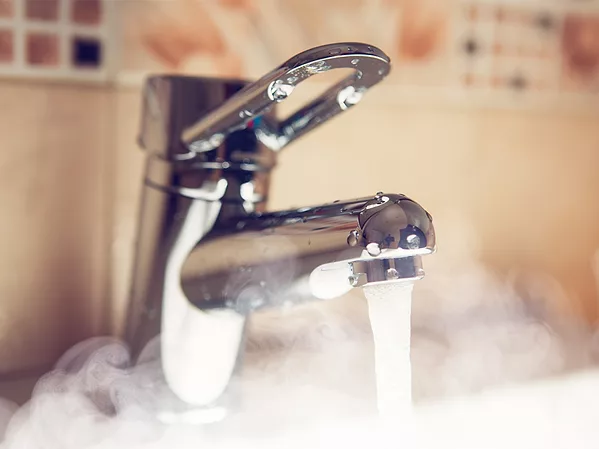
The plumbing and heating industry has several standards covering water temperature in water distribution systems and plumbing fixtures to prevent scalding and Legionella bacterial growth. Read on for an explanation of three new standards focusing on water heaters.
Who is responsible for what is in shop drawings? Read on to discover how design professionals can be liable for the contents of shop drawings if they don’t meet the standard of care in specifying materials and manufacturers.