We use cookies to provide you with a better experience. By continuing to browse the site you are agreeing to our use of cookies in accordance with our Cookie Policy.
Initially bypassed for a cheaper bid, Patriot Water Works was later called back by the homeowner to fix the resulting issues caused by improper installation.
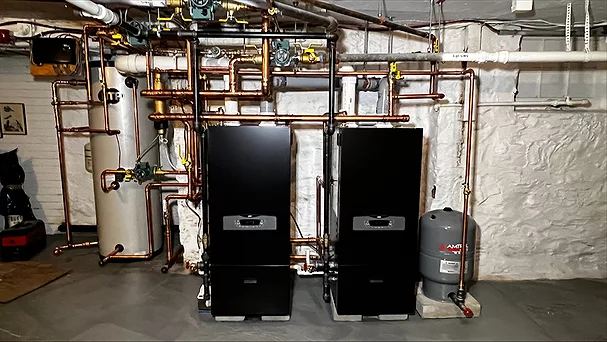
When designing a long-lasting antifreeze system for a customer’s hydronic system, you must consider that propylene glycol has a lower BTU carry capacity and is more viscous, than water. Also, regular maintenance is critical for optimal performance of the antifreeze.
A SIM system on the roof of an NYC car dealership provides an unusual automobile storage solution.
Hydronic snow and ice melting systems using PEX tubing are ideal for projects with demanding winter requirements. Read on to discover how an NYC car dealership turned its roof into a vehicle storage area.
Tom Soukup explains the importance of carefully reviewing contracts before signing and pushing back on unfair terms; stand firm on your prices and prioritize your bottom line.
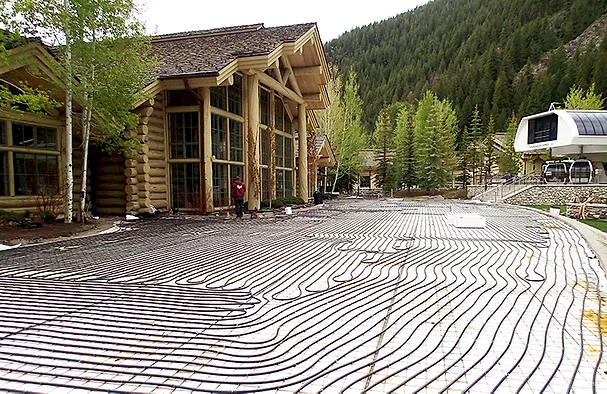
These hydronic systems keep outdoor residential and commercial surfaces such as sidewalks, driveways and stairs clear of snow and ice, a safety and liability issue. Lance MacNevin from the Plastics Pipe Institute explains how they also can reduce energy costs, thus lowering the operational costs of a building.
 RSS
RSS
.webp?height=449&t=1745928154&width=607 "PHCN0425_Ceiling (5).jpg")

.webp?height=449&t=1719849657&width=607 "NMRR (12).jpg")
.webp?height=449&t=1720530224&width=607 "PHCN0724_Antifreeze (4).jpg")