RSS

Geothermal
ARTICLES
Gelthermal HVAC
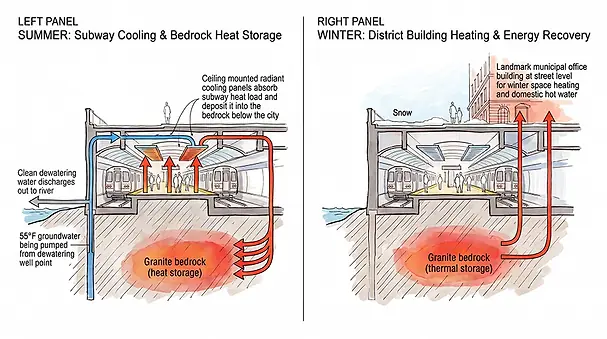
The Subterranean Thermal Battery: Decarbonizing NYC Transit via Geothermal and Passive Groundwater Energy Networks
By harvesting waste heat, using passive groundwater exchange and managing subsurface thermodynamics, mechanical professionals are turning urban transit liabilities into clean, resilient energy infrastructure.
Read More
Feature
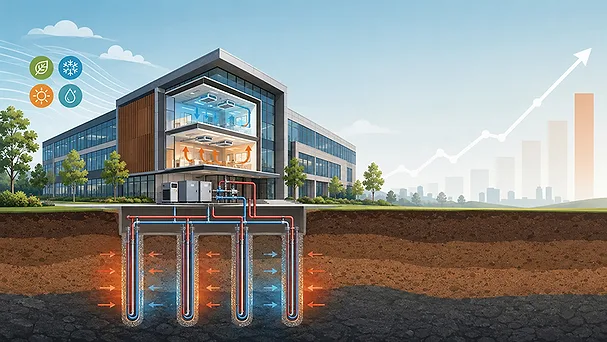
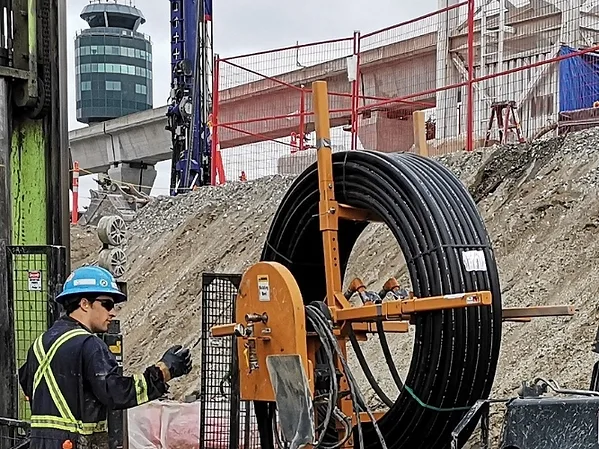
Geothermal Hydronic Systems: An HVAC Trend Amid Rising Energy Costs
While upfront costs and site-specific considerations remain challenges, the long-term benefits in efficiency, reliability and environmental impact position these systems as a cornerstone of future-ready building strategies.
Read More
Feature
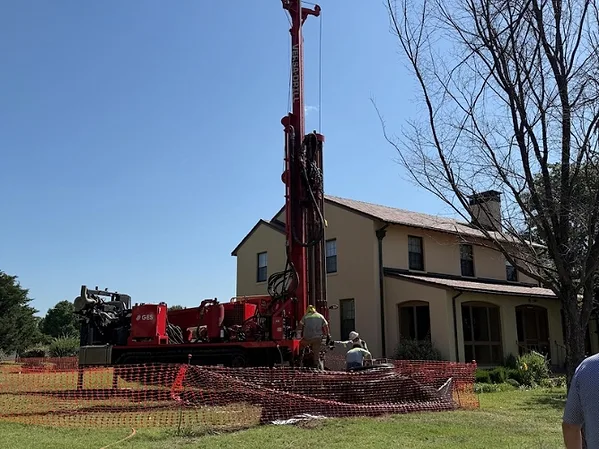
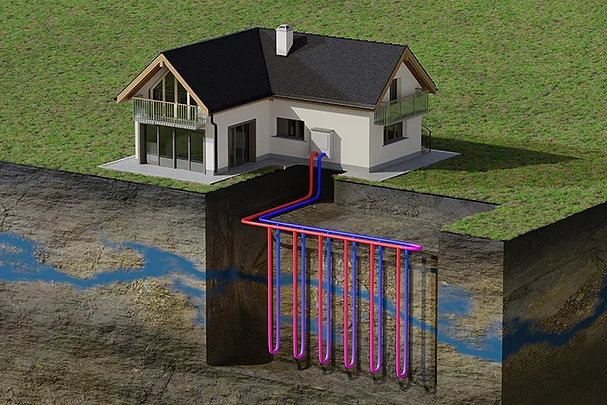
Why Geothermal Is the HVAC Strategic Advantage
As the U.S. faces an acute housing shortage, geothermal heating and cooling offers builders and developers a smarter path forward.
Read More



Geothermal HVAC
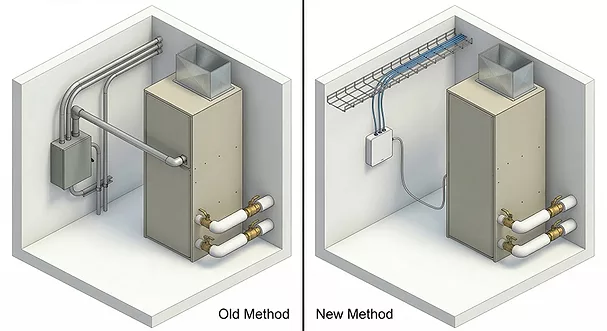
The ‘Digital Electricity’ Revolution: Why Class 4 Wiring is the Secret Weapon for Geothermal Retrofits
This wiring dramatically reduces labor, material and retrofit costs while enabling efficient, scalable
decarbonization for existing buildings and thermal energy networks.
Read More
Featured Video

Instant Insight: Domestic Pressure Boosting Done Right
Industry Events
-
10Nov
ASA NETWORK2026
Las Vegas, NV -
07Dec
2026 HARDI Annual Conference
San Diego, CA -
25Jan
2027 AHR Expo
Chicago, IL